




PFDM: Spatial Computing Devices Will Empower Every Industry
21
June 2024
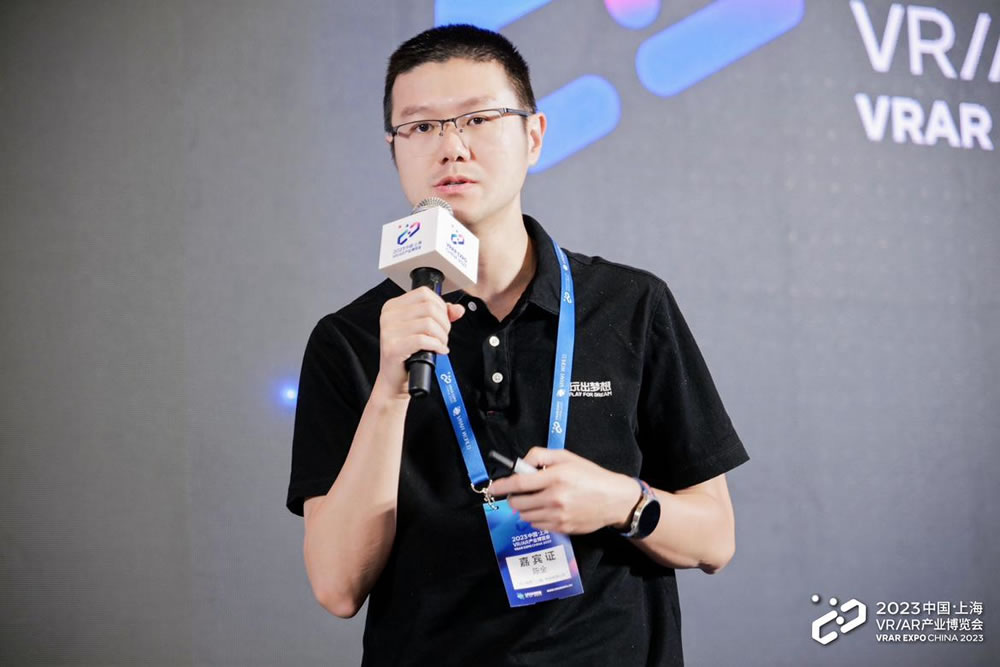
October 29–30, 2023, the China Shanghai VR/AR Industry Expo showcased the latest in AR, VR, MR, AI, and 5G—uniting the ecosystem to explore tech, business models, and industry value. Chen Quan, Senior Vice President of PFDM, spoke on “Embracing the Spatial Computing Era and Changing How We Access Information.” He said: “The essence of the metaverse is a 3D information revolution. In the future, spatial computing devices will strongly support every industry.” He demonstrated YVR 2 and its product and algorithm strengths, stressing PFDM’s ongoing commitment to spatial computing.
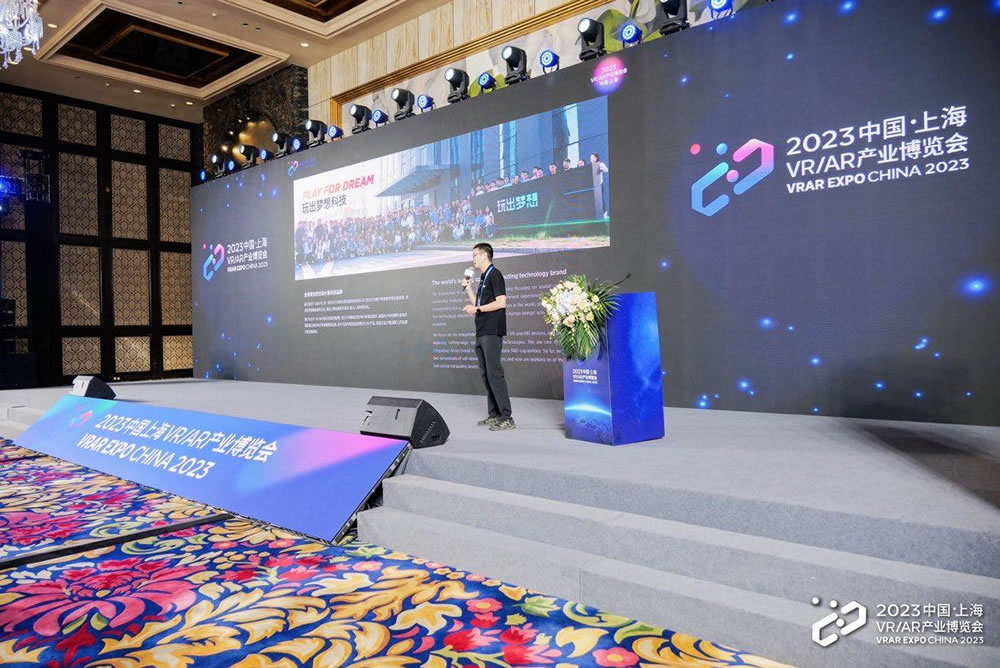
Embracing spatial computing and advancing the 3D revolution
Founded in 2020, PFDM focuses on spatial computing devices to deliver new digital entertainment, change how information is accessed, advance the 3D revolution, and support human progress. Two milestone XR headsets have been launched.
Chen envisioned spatial computing devices entering households as widely as TVs, PCs, and mobile phones—as key metaverse interfaces transforming production and life. He added that PFDM, as one of China’s few full-stack spatial computing R&D teams, balances technology, product, and market fit (Technology Product Market Fit) against tech trends and user needs to create better experiences, build unprecedented spatial computing, and change how the world accesses information.
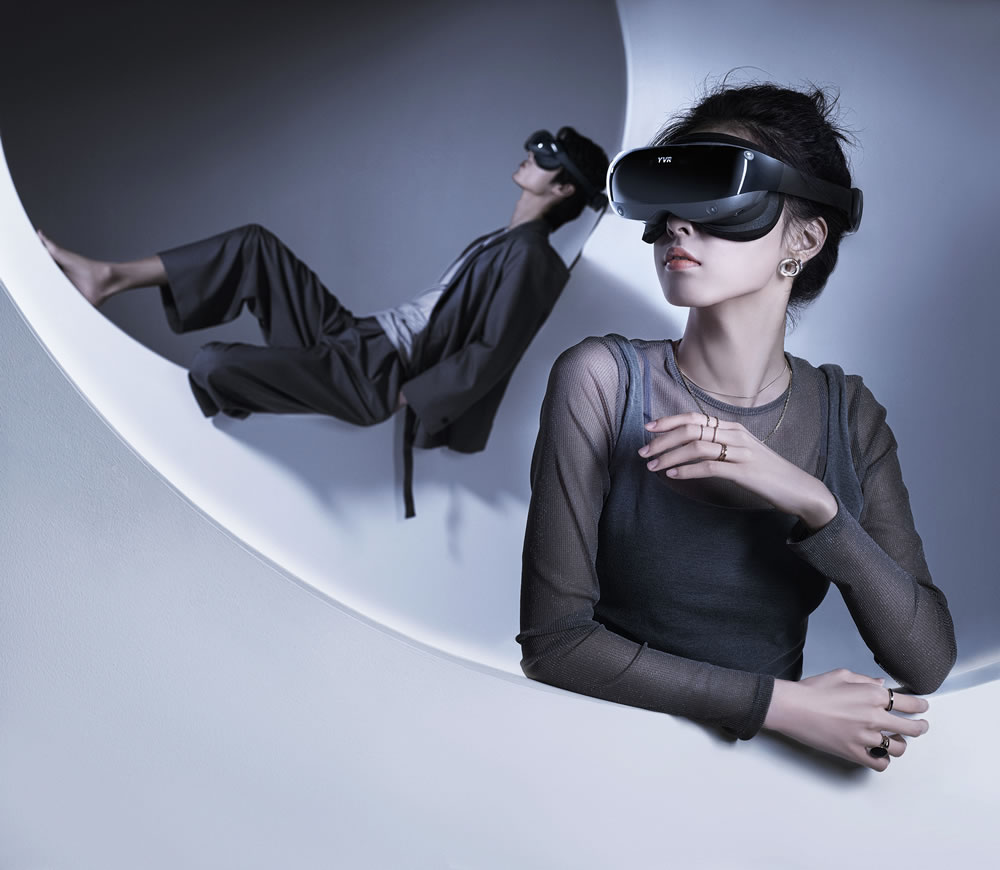
Humanity meets tech: recognized globally
YVR 2 is the only domestic all-in-one to win Red Dot, iF, and IDEA, plus awards such as Most Successful Design and Shanghai Design 100+. Its curved, light design feels futuristic.
Strong performance, comfort, tracking, and content define YVR 2’s style; Babyskin-feel paint and composite craft deliver premium touch.
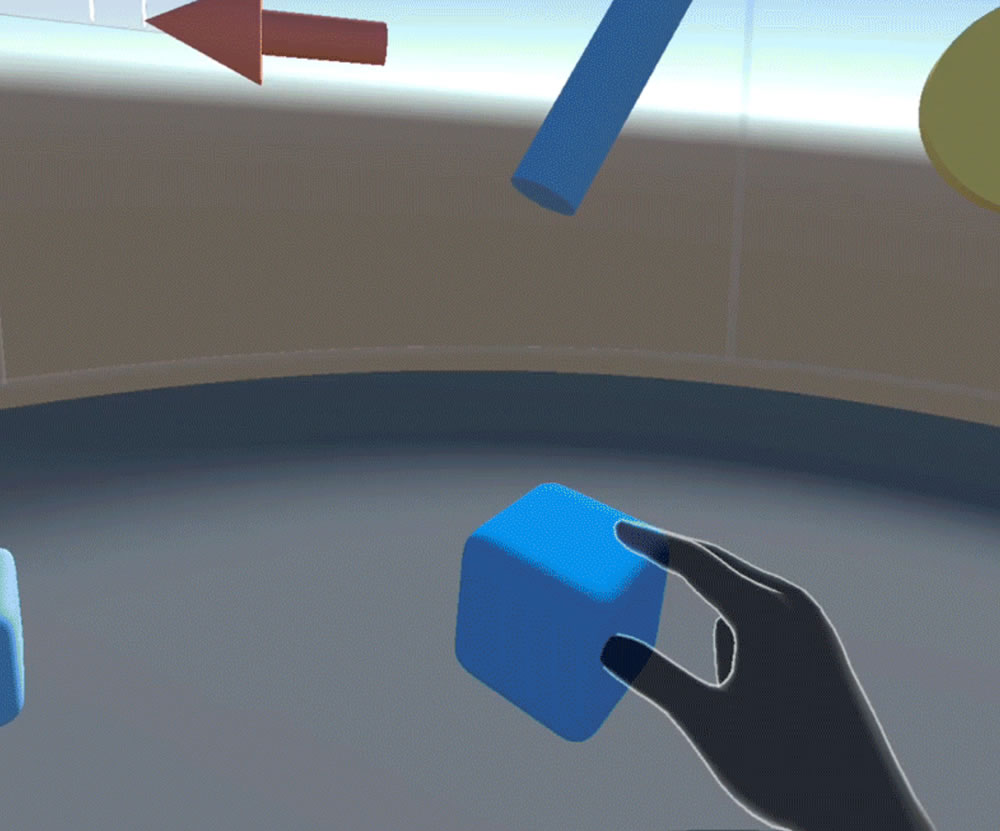
Self-developed hand tracking: interaction from the ground up
On June 9, PFDM launched hand tracking—among the few domestic brands with self-developed algorithms, leading in accuracy, stability, and smoothness—before Apple Vision Pro shipped, letting users “touch the future” with their hands.
The algorithm uses AI trained on vast image and 3D data for 2D hand detection and 3D keypoints, plus kinematic optimization—tracking 22 joints and 26 DoF for natural interaction.
Guided by “at the crossroads of technology and humanity,” PFDM is developing its third-generation device. As one of China’s few full-stack independent R&D teams, over 70% of staff work across algorithms, software, hardware, and industrial design, with top-tier product definition and R&D capabilities.
PFDM is expanding from VR-only to MR-centered multi-product lines as the gateway to spatial computing—working with peers to advance the industry.